 totaladmin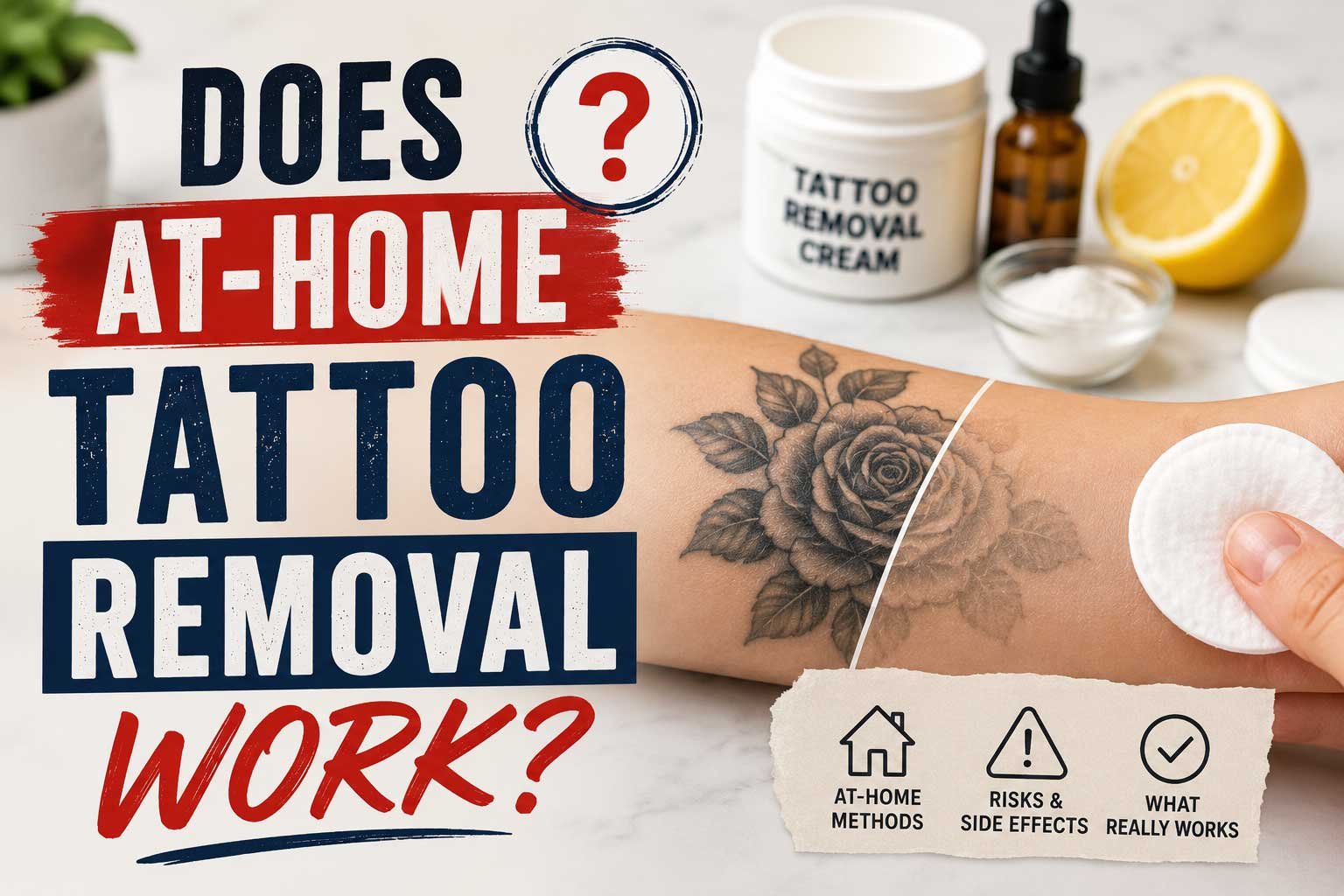
Does At-Home Tattoo Removal Work? This is one of the most common questions people ask before deciding whether to invest in professional laser tattoo removal. With countless creams, acids, DIY remedies, and viral social media videos promising to erase unwanted tattoos at home, it’s easy to understand why many people are tempted to try these methods first.
The reality is that most at-home tattoo removal methods do not completely remove tattoos and, in some cases, may cause permanent skin damage, scarring, or infection. While some products may slightly fade surface pigmentation or exfoliate the outer layer of the skin, tattoo ink is deposited deep within the dermis, making complete removal extremely difficult without professional laser technology.
At Total Body Laser Med Spa in Middleton, just outside Madison, Wisconsin, many clients seek professional tattoo removal after unsuccessful or damaging attempts with DIY tattoo removal products. These experiences often delay proper treatment and may even make laser removal more challenging if the skin has been injured.
In this guide, you’ll learn does at-home tattoo removal work, which DIY methods are commonly used, why most home remedies fail, the risks involved, and why professional laser tattoo removal remains the safest and most effective option for removing unwanted tattoos.
Why Tattoos Are Difficult to Remove
Understanding why tattoos are so difficult to remove helps answer the question, “Does at-home tattoo removal work?” The simple answer is that tattoo ink is intentionally placed deep beneath the skin to create a permanent design that can last a lifetime.
During the tattooing process, a tattoo artist deposits ink into the dermis, the layer of skin located beneath the outer epidermis. Once the ink is in the dermis, the body’s immune system recognizes it as a foreign substance. Specialized immune cells, called macrophages, attempt to break down and remove the pigment, but the ink particles are too large to be eliminated completely. As a result, most of the pigment remains trapped in the skin for many years.
This is why tattoos stay visible long after they are applied and why they fade only gradually over time.
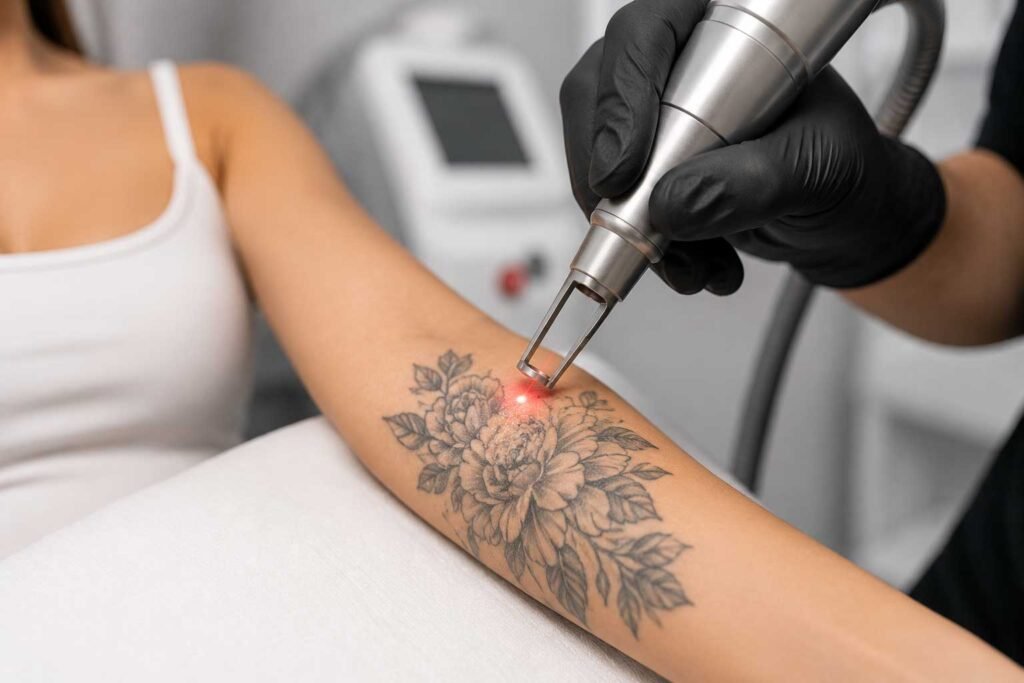
For a tattoo to be removed successfully, those large ink particles must first be broken into much smaller fragments. Professional laser tattoo removal systems accomplish this by delivering highly concentrated pulses of light that shatter the ink into tiny particles. The body’s immune system can then gradually clear away these fragments over the following weeks and months.
Because creams, acids, exfoliants, and other DIY tattoo removal methods cannot safely reach the dermis or break apart ink particles in the same way, they are generally unable to completely remove a tattoo. This is one of the primary reasons professional laser treatment remains the most effective and widely recommended solution for unwanted tattoos.
Common At-Home Tattoo Removal Methods
If you’re wondering, “Does at-home tattoo removal work?”, you’ve probably come across dozens of DIY methods online. Social media videos, blogs, and advertisements often promote inexpensive alternatives to professional laser tattoo removal, claiming they can erase tattoos naturally or with products available at home. Unfortunately, the effectiveness of these methods is often greatly exaggerated, and some can permanently damage your skin.
Tattoo Removal Creams
Tattoo removal creams are among the most widely marketed DIY tattoo removal products. These creams typically contain bleaching agents, acids, exfoliating ingredients, or other chemicals that claim to gradually fade unwanted tattoos.
The problem is that tattoo ink is located deep within the dermis, while most creams only affect the outer layers of the skin. As a result, these products rarely produce meaningful tattoo removal, particularly for professionally applied tattoos.
Typical Results of Tattoo Removal Creams
| Expected Outcome | What It Means |
|---|---|
| Minimal Fading | Most creams produce little visible improvement. |
| Uneven Results | Some areas may fade slightly while others remain unchanged. |
| Temporary Improvement | Surface discoloration may change without removing the tattoo ink itself. |
| Poor Results on Professional Tattoos | Deep, dense tattoo ink is generally unaffected by topical creams. |
Some tattoo removal creams may also cause skin irritation, allergic reactions, burns, or changes in skin pigmentation.
Salabrasion
Salabrasion is an outdated tattoo removal technique that involves aggressively rubbing salt into the skin to remove successive layers of tissue in an attempt to reach the tattoo pigment.
Although this method was used decades ago before modern laser technology became widely available, it is now considered unsafe and is rarely recommended by medical professionals because of the high risk of permanent skin damage.
Potential Risks of Salabrasion
| Possible Complication | Description |
|---|---|
| Scarring | Permanent scar formation is common. |
| Infection | Open wounds increase the risk of bacterial infection. |
| Skin Discoloration | Hyperpigmentation or hypopigmentation may develop. |
| Open Wounds | The procedure can leave painful raw areas that require extended healing. |
| Permanent Texture Changes | The skin may heal unevenly or develop long-term irregularities. |
Chemical Peels and Acids
Another popular DIY approach involves applying chemical solutions such as glycolic acid, trichloroacetic acid (TCA), or homemade chemical peels to gradually remove layers of skin.
While these products can exfoliate the outer skin, they typically do not penetrate deeply enough to break apart tattoo ink located in the dermis. Attempting repeated treatments often increases the risk of skin injury without significantly improving tattoo removal.
Risks of Chemical Tattoo Removal
| Potential Side Effect | Description |
|---|---|
| Chemical Burns | Strong acids can permanently damage healthy skin. |
| Hyperpigmentation | Dark patches may develop after healing. |
| Scarring | Deep chemical injuries can leave permanent scars. |
| Skin Infections | Damaged skin becomes more vulnerable to bacteria. |
Lemon Juice and Other DIY Home Remedies
Many internet articles and social media posts recommend natural tattoo removal remedies such as lemon juice, hydrogen peroxide, aloe vera, baking soda, or abrasive scrubbing methods. Unfortunately, there is very little scientific evidence showing that these home remedies can effectively remove tattoo ink.
Because these ingredients only affect the surface of the skin, they cannot safely reach or break apart the pigment embedded deep within the dermis. In many cases, repeated applications simply irritate the skin, increase sensitivity, and may even delay future professional laser treatments.
Common DIY Tattoo Removal Remedies
| Home Remedy | Does It Remove Tattoos? |
|---|---|
| Lemon Juice | No reliable scientific evidence supports its effectiveness. |
| Hydrogen Peroxide | May irritate the skin without removing tattoo ink. |
| Aloe Vera | Can soothe skin but does not remove tattoos. |
| Baking Soda Mixtures | Often cause irritation rather than meaningful fading. |
| Sanding or Abrasion Methods | Can lead to permanent scarring and infection without removing the tattoo. |
While these DIY methods may seem appealing because they are inexpensive, they rarely achieve significant tattoo fading and often carry greater risks than benefits. Professional laser tattoo removal remains the safest and most effective method for removing unwanted tattoos while minimizing the risk of permanent skin damage.
Do Tattoo Removal Creams Actually Work?
One of the most frequently asked questions is, “Do tattoo removal creams actually work?” While many over-the-counter products promise to erase unwanted tattoos without expensive laser treatments, the reality is that most tattoo removal creams do not completely remove tattoos. Their claims often sound appealing, but they rarely deliver the dramatic results shown in advertisements.
Tattoo removal creams work only on the outer layers of the skin, while tattoo ink is deposited much deeper within the dermis. Because these creams cannot reach the ink particles themselves, they are generally unable to remove professionally applied tattoos. At best, some products may slightly lighten surface pigmentation or create the appearance of mild fading after repeated use.
When Tattoo Removal Creams May Show Limited Results
| Situation | Likelihood of Fading |
|---|---|
| Very Old Tattoos | May show slight surface fading due to natural aging of the tattoo. |
| Tiny Amateur Tattoos | Small tattoos with less ink may appear to lighten slightly over time. |
| Surface-Level Pigmentation | Some superficial discoloration may improve, but the tattoo ink usually remains unchanged. |
Professional tattoos are typically created using dense, deeply embedded ink, making them far beyond the reach of topical creams. As a result, most users see little to no meaningful improvement despite weeks or months of consistent application.
Consumers should also be cautious when evaluating before-and-after photos used to market tattoo removal creams. Some images may be heavily edited, taken under different lighting conditions, or show tattoos that have naturally faded over many years rather than because of the product itself. Reading independent reviews and consulting a qualified tattoo removal provider can help you separate marketing claims from realistic expectations.
If your goal is significant tattoo fading or complete removal, professional laser tattoo removal remains the safest and most effective treatment currently available.
Risks of DIY Tattoo Removal
One of the biggest reasons experts discourage at-home tattoo removal is the potential for permanent skin damage. Many DIY methods involve harsh chemicals, abrasive techniques, or repeated trauma to the skin in an attempt to reach tattoo ink that lies deep within the dermis. Unfortunately, these methods often damage healthy skin without effectively removing the tattoo itself.
Unlike professional laser tattoo removal, which is carefully customized based on your skin type and tattoo characteristics, DIY tattoo removal offers little control over how the skin responds. This increases the likelihood of complications that can affect both your appearance and your ability to undergo future tattoo removal treatments.
Potential Complications of DIY Tattoo Removal
| Possible Risk | Why It Happens |
|---|---|
| Scarring | Aggressive scraping, acids, or repeated skin trauma can lead to permanent scar tissue. |
| Infection | Open wounds created by DIY methods allow bacteria to enter the skin. |
| Keloids | Some individuals may develop raised, thick scars after excessive skin injury. |
| Hyperpigmentation | Dark patches of skin may develop as part of the healing process. |
| Hypopigmentation | Loss of skin pigment can leave lighter patches that may be permanent. |
| Burns | Strong acids and chemical products can cause painful chemical burns. |
| Skin Texture Changes | Damaged skin may heal unevenly, leaving rough or irregular texture. |
| Delayed Wound Healing | Repeated irritation can slow healing and increase the risk of additional complications. |
Attempting to remove a tattoo at home may also make future professional laser tattoo removal more challenging. Scar tissue, pigment changes, and damaged skin can limit the laser settings that can be used safely and may require additional treatment sessions to achieve the desired results.
If you’re considering removing an unwanted tattoo, consulting with a qualified laser tattoo removal provider is the safest approach. Professional treatments are designed to target the tattoo ink while minimizing damage to the surrounding skin, helping you achieve better results with a lower risk of long-term complications.
Why Laser Tattoo Removal Works Better
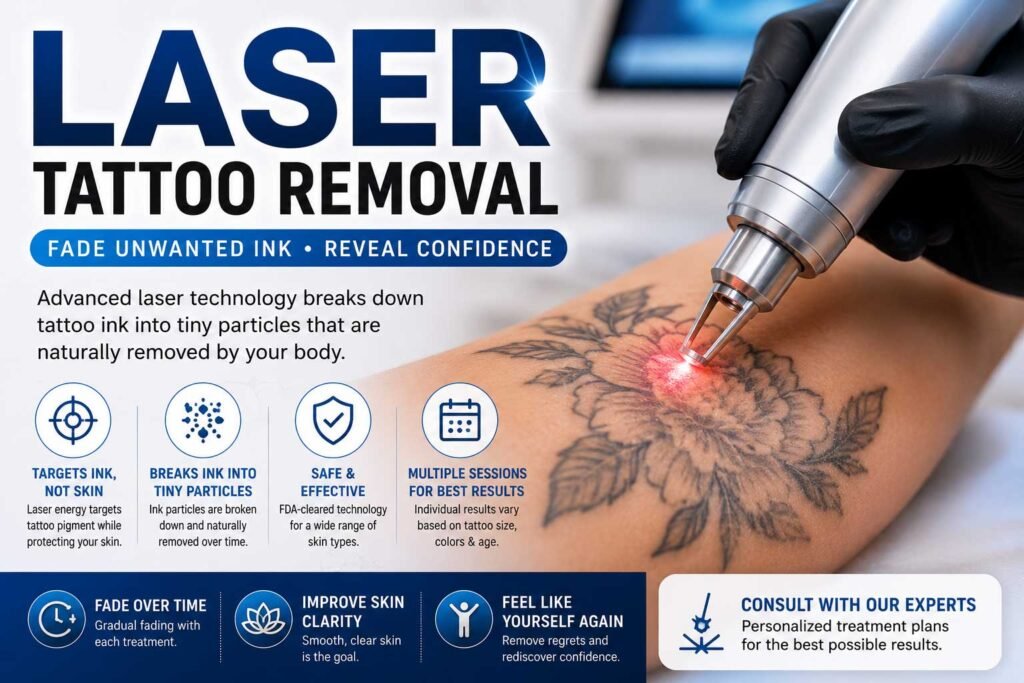
If you’re asking, “Does at-home tattoo removal work?”, it’s equally important to understand why professional laser tattoo removal consistently produces better results. Unlike creams, acids, or abrasive DIY techniques that only affect the skin’s surface, laser tattoo removal targets the tattoo ink beneath the skin without physically scraping or damaging healthy tissue.
Professional laser systems deliver highly concentrated pulses of light that break tattoo ink into microscopic particles. Once the ink has been fragmented, your body’s immune system gradually removes these tiny particles over the following weeks and months, causing the tattoo to fade safely and naturally with each treatment session.
Because professional providers can adjust laser wavelengths, energy levels, and treatment settings for each individual tattoo, laser removal is significantly more effective than any at-home method currently available.
Advantages of Professional Laser Tattoo Removal
| Benefit | Why It Matters |
|---|---|
| Advanced Laser Technology | Designed to target tattoo ink beneath the skin without unnecessary damage to surrounding tissue. |
| Controlled Treatment Settings | Laser settings are customized based on your tattoo, skin type, and treatment goals. |
| Better Tattoo Fading | Breaks ink into tiny particles that the immune system can gradually eliminate. |
| Reduced Risk of Scarring | Professional techniques help minimize unnecessary skin trauma compared to DIY methods. |
| Personalized Treatment Plans | Every tattoo receives a customized approach based on its size, colors, age, and ink density. |
| Multiple Laser Wavelengths | Different wavelengths allow providers to treat a wider range of tattoo colors more effectively. |
Modern laser tattoo removal systems can successfully fade or completely remove many tattoos that would be impossible to eliminate using creams, chemical peels, or other home remedies. While complete removal still requires multiple treatment sessions, professional laser technology remains the safest, most predictable, and most effective option for achieving long-term tattoo removal results.
Can At-Home Tattoo Removal Cause Scars?
Yes. One of the greatest risks associated with DIY tattoo removal is the possibility of permanent scarring. Many at-home methods attempt to remove tattoo ink by repeatedly damaging the skin’s surface, but because the ink is embedded deep within the dermis, these techniques often injure healthy tissue long before they reach the tattoo pigment.
The skin can only tolerate a limited amount of trauma before the body’s healing process begins producing scar tissue. Repeated injury, harsh chemicals, or aggressive abrasion can interfere with normal healing and increase the likelihood of permanent cosmetic damage.
DIY Methods That Increase the Risk of Scarring
| DIY Method | Potential Risk |
|---|---|
| Abrasion | Removes healthy skin and may lead to permanent scars or uneven texture. |
| Chemical Acids | Can cause burns, skin discoloration, and long-term scarring. |
| Burning Methods | Damage healthy tissue and significantly increase the risk of infection and scars. |
| Cutting or Scraping | Creates open wounds that may heal with visible scar tissue. |
| Sanding Techniques | Can permanently alter skin texture and pigmentation without removing the tattoo. |
In some cases, the scars left behind by DIY tattoo removal are more noticeable than the tattoo itself. Raised scars, keloids, uneven pigmentation, and rough skin texture can be difficult or even impossible to reverse, making future cosmetic treatments more challenging.
Professional laser tattoo removal is designed to target the tattoo ink while preserving as much healthy skin as possible. Although no medical procedure is completely without risk, treatment performed by an experienced provider offers a significantly lower chance of permanent scarring than aggressive at-home tattoo removal methods.
Is Laser Tattoo Removal Safe?
Yes. When performed by a trained and experienced professional using medical-grade laser technology, laser tattoo removal is generally considered safe for most healthy adults. Modern laser systems are designed to target tattoo ink beneath the skin while minimizing damage to the surrounding tissue, making them the preferred treatment for removing unwanted tattoos.
Like any cosmetic procedure, laser tattoo removal may cause temporary side effects as the skin heals. These reactions are typically mild and are considered a normal part of the body’s healing process after treatment.
Common Temporary Side Effects
| Side Effect | What to Expect |
|---|---|
| Redness | Mild redness around the treated area usually fades within a few days. |
| Swelling | Temporary swelling is common and often resolves within 24 to 72 hours. |
| Mild Blistering | Small blisters may develop as the skin heals and should be left intact. |
| Itching | Mild itching often occurs during the healing process as new skin forms. |
| Frosting | A temporary white appearance caused by tiny gas bubbles under the skin immediately after treatment, usually disappearing within minutes. |
Serious complications are uncommon when laser tattoo removal is performed correctly and proper aftercare instructions are followed. Keeping the treated area clean, avoiding sun exposure, resisting the urge to pick at scabs or blisters, and attending scheduled follow-up appointments can significantly reduce the risk of infection, scarring, or pigmentation changes.
For the safest possible experience, always choose a qualified provider who uses professional laser equipment and develops a treatment plan based on your skin type, tattoo characteristics, and medical history.
How Many Sessions Are Needed?
One of the most common questions people ask after learning that at-home tattoo removal doesn’t work is how many professional laser treatments are needed. Unlike DIY methods that attempt to remove tattoo ink all at once, laser tattoo removal is a gradual process. Each treatment breaks the ink into smaller particles, and your body’s immune system needs time to naturally eliminate those fragments before the next session.
Because every tattoo is unique, there is no fixed number of treatments that works for everyone. The overall timeline depends on the characteristics of the tattoo as well as your body’s natural healing response.
Factors That Affect the Number of Laser Sessions
| Factor | How It Affects Treatment |
|---|---|
| Tattoo Age | Older tattoos often fade more easily because some pigment has naturally broken down over time. |
| Tattoo Size | Larger tattoos generally require more treatment sessions than smaller designs. |
| Ink Colors | Black ink usually responds faster than colors such as green, yellow, teal, and white. |
| Skin Type | Your skin tone influences laser settings and the overall treatment approach. |
| Ink Density | Professional tattoos typically contain deeper, more concentrated ink than amateur tattoos. |
| Tattoo Location | Tattoos closer to the heart and with better circulation may fade more efficiently than those on the hands or feet. |
| Immune System Response | A healthy immune system plays a major role in clearing fragmented tattoo ink between treatments. |
Typical Treatment Estimates
| Tattoo Type | Average Number of Sessions |
|---|---|
| Small Amateur Tattoo | 3–6 sessions |
| Small Professional Black Tattoo | 4–8 sessions |
| Large Professional Tattoo | 8–15 sessions |
| Layered or Cover-Up Tattoo | 10–20 sessions |
| Cosmetic Tattoo (Permanent Makeup) | Varies depending on pigment and location |
Most clients require multiple treatments spaced six to eight weeks apart, allowing the skin to heal and giving the immune system time to remove shattered ink particles before the next session. Although laser tattoo removal requires patience, it remains far more effective and significantly safer than attempting to remove a tattoo at home.
Which Tattoos Are Hardest to Remove?
Not all tattoos respond to laser treatment in the same way. Some fade relatively quickly, while others require additional sessions because of the type of ink used, the tattoo’s age, or the way it was applied. Understanding which tattoos are more resistant to treatment can help set realistic expectations before beginning the tattoo removal process.
Certain pigments absorb laser energy less effectively than others, and tattoos with multiple layers of ink or high pigment density often take longer to remove. Fortunately, modern professional laser systems offer the best opportunity to safely fade or remove even the most challenging tattoos.
Tattoos That Are Most Difficult to Remove
| Tattoo Type | Why It’s More Challenging |
|---|---|
| Bright Green Tattoos | Green pigments often require specialized laser wavelengths and additional treatment sessions. |
| Yellow Ink | Yellow reflects much of the laser energy, making it one of the hardest colors to fade. |
| White Ink | White pigment may temporarily darken before fading and can be particularly resistant to laser treatment. |
| Layered Cover-Up Tattoos | Multiple layers of ink create greater pigment density, requiring more sessions to achieve significant fading. |
| Dense Professional Tattoos | Professional artists place ink deeper and more consistently than amateur tattoos, making removal more complex. |
| Cosmetic Tattoos | Permanent makeup may contain pigments that react differently to laser treatment and require specialized care. |
Although these tattoos may require more time and additional laser sessions, professional laser tattoo removal remains the safest and most effective option for treating stubborn pigments. An experienced provider can select the appropriate laser wavelengths, customize treatment settings, and develop a personalized plan to maximize fading while minimizing the risk of skin damage.
What About Tattoo Fading Instead of Full Removal?
Not everyone wants to completely erase their tattoo. In many cases, laser tattoo fading is a practical alternative that lightens the existing tattoo enough to achieve another cosmetic goal. Choosing partial fading can reduce the number of treatments needed while providing greater flexibility for future tattoo work.
Tattoo artists frequently recommend laser fading before creating a cover-up because a lighter tattoo provides a cleaner canvas. This allows for more creative design options, brighter colors, finer details, and a more natural-looking final result than trying to tattoo over a dark, heavily saturated design.
Common Reasons to Choose Tattoo Fading
| Reason | Benefit |
|---|---|
| Prepare for a Cover-Up Tattoo | Lightening the existing tattoo gives the artist more freedom to create a cleaner and more detailed new design. |
| Fade an Older Tattoo | Reduces the visibility of faded or outdated artwork without complete removal. |
| Improve Tattoo Redesign Options | Makes it easier to modify or update an existing tattoo with new artwork. |
One of the advantages of laser tattoo fading is that it usually requires fewer treatment sessions than complete tattoo removal. The exact number of sessions depends on the tattoo’s size, colors, ink density, and how much fading is needed before the desired result is achieved.
If your goal is a tattoo cover-up rather than complete removal, a professional consultation can help determine how much fading is necessary. Working together, your laser provider and tattoo artist can develop a treatment plan that creates the best possible foundation for your new tattoo while minimizing unnecessary treatments.
Choosing a Professional Tattoo Removal Clinic
Selecting the right tattoo removal clinic is just as important as choosing the treatment itself. An experienced provider will evaluate your tattoo, skin type, and medical history before creating a personalized treatment plan. This helps maximize results while reducing the risk of unnecessary side effects or complications.
Professional tattoo removal clinics use medical-grade laser technology, follow established safety protocols, and provide realistic expectations about the number of treatments required. A thorough consultation also gives you the opportunity to ask questions, understand the healing process, and learn what results are achievable for your specific tattoo.
What to Look for in a Tattoo Removal Clinic
| What to Expect | Why It Matters |
|---|---|
| Comprehensive Skin Evaluation | Ensures your skin type and tattoo characteristics are suitable for laser treatment. |
| Medical History Review | Identifies medications, skin conditions, or health factors that could affect treatment safety. |
| Realistic Treatment Expectations | Provides an honest estimate of the number of sessions, expected fading, and possible outcomes. |
| Professional-Grade Laser Equipment | Advanced medical lasers offer safer and more effective tattoo removal than consumer products or outdated methods. |
| Detailed Aftercare Instructions | Proper aftercare promotes healing, reduces complications, and helps achieve the best possible results. |
Working with an experienced tattoo removal provider can significantly improve your overall experience and outcome. Professional expertise, customized treatment plans, and ongoing support throughout the removal process help minimize the risk of scarring, pigmentation changes, and other complications while maximizing tattoo fading and skin health.
Tattoo Removal in Madison, Wisconsin
If you’re considering tattoo removal near Madison, Wisconsin, scheduling a professional consultation is the safest and most effective way to understand your treatment options. Every tattoo is unique, and factors such as its size, colors, age, ink density, location, and your skin type all influence the best removal approach and the number of sessions required.
At Total Body Laser Med Spa in Middleton, just minutes from Madison, every client receives a personalized tattoo evaluation and treatment plan tailored to their individual goals. During your consultation, an experienced provider will assess your tattoo, explain the removal process, discuss realistic expectations, and recommend the most appropriate laser technology for your specific situation.
Whether your goal is complete tattoo removal or simply fading an existing tattoo for a future cover-up, professional laser treatment offers a significantly safer and more effective solution than creams, acids, or other DIY tattoo removal methods. By using advanced laser technology and customized treatment protocols, you can achieve better results while minimizing the risk of scarring, skin damage, and other complications.
If you’re ready to begin your tattoo removal journey, schedule a consultation with Total Body Laser Med Spa to receive a personalized assessment and learn which treatment plan is right for you.
Is Professional Tattoo Removal Worth It?
When people ask, “Does at-home tattoo removal work?”, the evidence consistently points to the same conclusion: most DIY tattoo removal methods cannot safely or completely remove tattoo ink. While creams, acids, abrasive techniques, and home remedies may promise quick, inexpensive results, they often lead to disappointment and can increase the risk of burns, infection, scarring, and permanent skin damage.
Professional laser tattoo removal remains the safest, most effective, and most predictable method for removing unwanted tattoos. Modern laser technology targets ink beneath the skin while preserving as much healthy tissue as possible, allowing your body’s immune system to gradually eliminate the fragmented pigment over multiple treatment sessions.
If you’re serious about removing an unwanted tattoo or fading it for a future cover-up, consulting with an experienced tattoo removal provider is the best way to understand your options. A professional evaluation can provide realistic expectations, estimate the number of treatments you may need, explain the healing process, and recommend the most appropriate laser technology for your tattoo.
For individuals near Madison, Wisconsin, Total Body Laser Med Spa offers personalized tattoo removal consultations designed around your tattoo’s size, colors, age, ink density, skin type, and cosmetic goals. Whether you’re looking for complete tattoo removal or partial fading before a cover-up, a customized treatment plan can help you achieve the safest and most effective results.